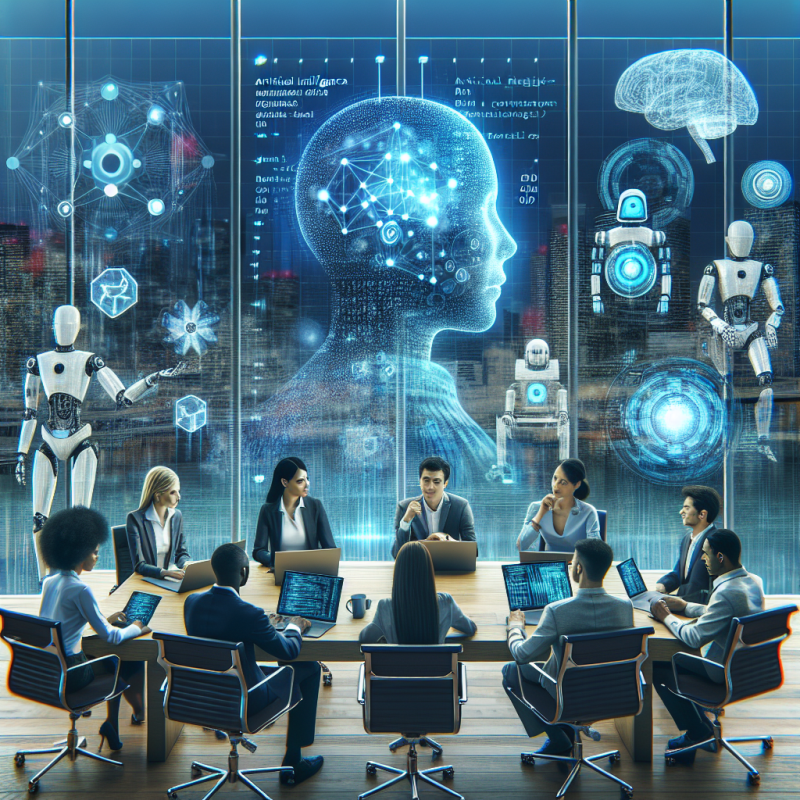
Artificial intelligence is all about making machines smart enough to do tasks that usually need human smarts. Think about how you use your smartphone. Features like voice recognition and smart suggestions are all powered by AI. It learns from data, spotting patterns, and making decisions based on what it learns. Easy, right?
At the core of AI are algorithms, which are just a set of rules or instructions. These algorithms sift through tons of data and help create models that can predict outcomes. For example, when Netflix suggests a show, it's using AI to analyze what you like and recommend something you'll probably enjoy.
One key concept in AI is machine learning. This is where the magic happens. Instead of just following strict rules, machines can learn from experience. They improve over time as they digest more data. That's why your online shopping recommendations keep getting better—they're adapting to your preferences!
Another trendy buzzword is neural networks. These mimic how our brains work, allowing machines to tackle complex tasks like image recognition or natural language processing. When you ask Siri a question and she understands you? Yep, that's neural networks in action!
How AI Impacts Our Lives
AI is all around us, making our lives a bit easier and more connected. From the moment you wake up to the time you go to bed, there are countless ways AI impacts your day. Think about your smart home devices. They adjust the temperature, play your favorite music, and even remind you of important appointments. It’s like having a personal assistant right at home!
Have you noticed how your phone suggests the best routes during rush hour? That’s AI analyzing traffic patterns in real-time, helping you save time on your commute. Plus, streaming services know exactly what shows or movies you might love based on what you’ve watched before. This personalized experience makes deciding what to watch a lot less overwhelming.
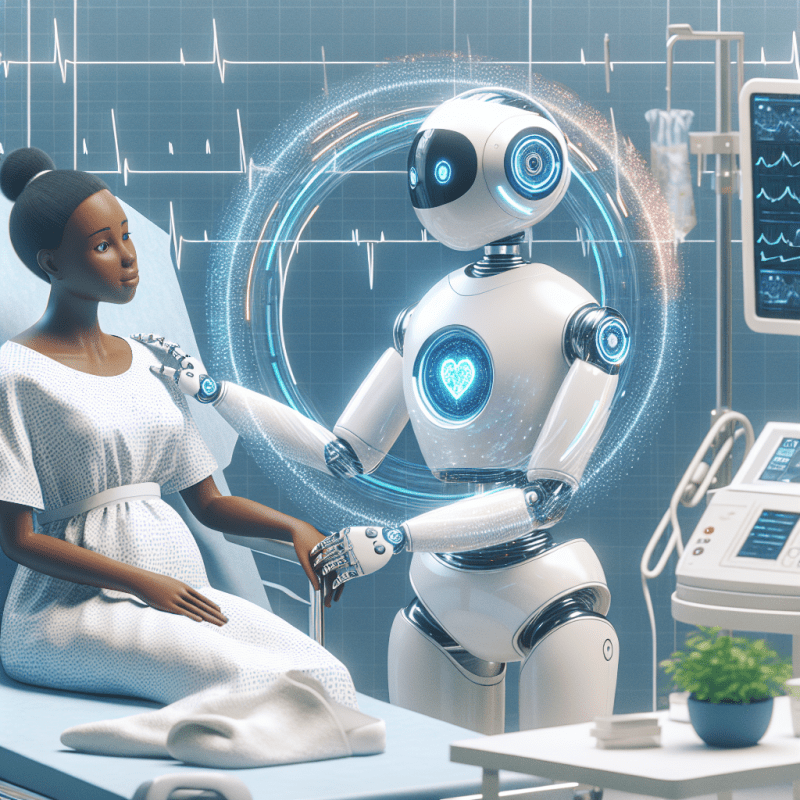
But AI isn’t just about convenience; it’s also playing a huge role in healthcare. Doctors use AI to spot issues in X-rays and MRIs quicker than ever. This means faster diagnoses and better treatment plans for patients. Just imagine how this technology can save lives by catching problems early!
Shopping is getting a makeover thanks to AI too. You probably notice when you browse online stores, they seem to know what you want. Recommendations pop up as if they read your mind. This not only makes shopping easier but also helps businesses understand what their customers really need.
From entertainment to healthcare and shopping, AI is shaping our everyday experiences. The future looks bright, and it’s exciting to think about what’s coming next. Who knows? The next game-changer could be just around the corner!
The Future of AI Technology
Businesses are tapping into AI to streamline operations and make smarter decisions. Imagine software that predicts market trends or analyzes customer behavior in real-time. This not only saves time but can also help companies connect with their audience in ways we haven't seen before.
Healthcare is another area where AI is making waves. From diagnostic tools that scan medical images to chatbots that provide mental health support, AI is changing how we access and receive care. It’s all about making healthcare more efficient and personalized.
Let’s not forget about creativity. AI is stepping into the artistic realm too. We’re seeing algorithms that can compose music, write poetry, and even create visual art. This blurs the line between human and machine-made creations, sparking discussions about what creativity really means.
With all these advancements, it’s clear that AI will play a crucial role in shaping our world. It’ll continue to solve problems we didn’t even know we had and open doors to new possibilities we can only dream of right now.
Ethical Concerns in AI Development
When it comes to AI development, there are some serious ethical concerns we can’t ignore. First off, think about how decisions made by AI can impact people’s lives. If tech is making choices about your job, healthcare, or even legal matters, there’s a lot at stake. Are these systems fair? Are they biased? These are important questions we need to ask.
Data is at the heart of AI, and where that data comes from matters. If the data used to train AI systems is flawed or includes biased information, the results can be skewed. This can lead to wrong conclusions or unfair treatment of certain groups, and that’s something we need to watch out for. Transparency in algorithms is key to building trust.
Another big concern is privacy. AI often relies on huge amounts of personal data to function. People want to know how their information is being used and protected. It’s crucial to have conversations about consent and how long data is stored. If companies can’t guarantee privacy, it’s a red flag.
Lastly, we need to think about job displacement. As AI becomes more capable, there’s a real fear that many jobs will disappear. It’s important to have discussions about how to retrain workers and create new opportunities to make sure technology benefits everyone, not just a few. Finding a balance between innovation and ethics in AI development is essential for a fair future.