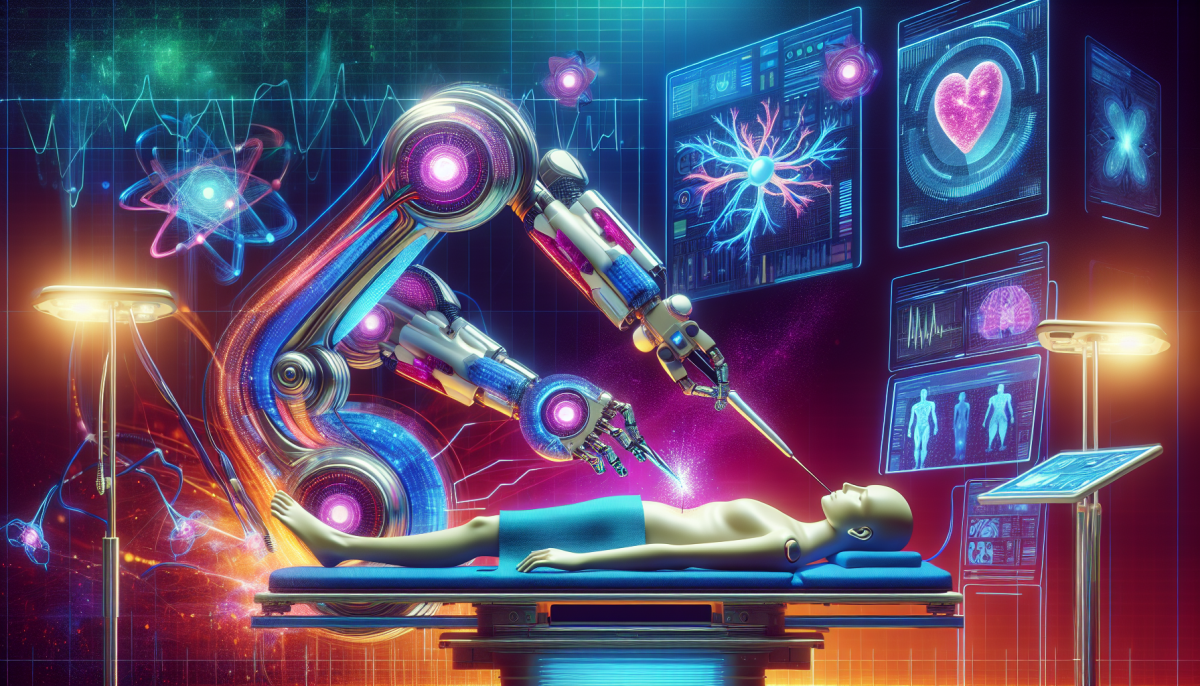
AI tools are making a big splash in how we take care of patients. Think about it: from diagnosing illnesses faster to personalizing treatment plans, these smart tools are changing the game.
One of the coolest things about AI in healthcare is its ability to analyze huge amounts of data quickly. Imagine a doctor having access to thousands of patient histories and outcomes at their fingertips. This means doctors can identify patterns or risk factors that they might not see on their own. It helps them make better decisions and get to the root of health issues much sooner.
Then there’s telemedicine. With AI-powered chatbots and virtual assistants, patients can easily access information about their symptoms or schedule appointments. This tech can provide initial guidance based on medical databases, ensuring that patients get the right help, right when they need it. No more waiting weeks for a simple check-up!
Another area where AI shines is in personalized medicine. With advanced algorithms, AI can help customize treatment based on an individual’s unique genetic makeup and lifestyle. This way, doctors can tailor treatments that suit each patient best, boosting their chances of success and improving overall health outcomes.
AI isn’t just a cool novelty; it’s genuinely enhancing how we care for patients. These tools are paving the way for a healthier future, making healthcare more efficient, accessible, and personal than ever before.
Smart Technology Changing Medical Practices
Smart technology is shaking things up in healthcare, and it’s exciting to see how AI is stepping in to make a real difference. Imagine doctors having instant access to patient information, diagnostics, and treatment options. With AI systems analyzing massive amounts of data, healthcare professionals can make quicker, smarter decisions.
One cool aspect is how AI tools can predict patient outcomes. They analyze trends in data to identify potential health issues before they escalate. This proactive approach means doctors can intervene early and tailor treatment plans to individual patients, leading to better results and happier patients.
AI is also streamlining administrative tasks. Things like scheduling appointments, managing patient records, and handling billing can eat up a lot of time. With AI powered solutions, these tasks become faster and more efficient, letting healthcare professionals focus on what they do best—caring for patients.
Telemedicine has gotten a boost, too. AI chatbots can help screen patients, answer questions, and even provide follow-up care. This means more convenient access to healthcare, especially for those who might struggle with traditional appointments. Plus, it keeps patients engaged in their health journey.
Data Analytics Supporting Better Health Outcomes
Data analytics plays a huge role in improving health outcomes. By crunching numbers from various sources, healthcare professionals can spot trends that help them make smarter decisions. Imagine doctors being able to predict patient needs before they even walk in the door! That’s the power of data.
With the help of AI, healthcare providers can analyze patient histories, treatment effectiveness, and demographic data in a snap. This means they can tailor treatments based on individual needs instead of a one-size-fits-all approach. It’s like having a personal health assistant that knows you inside out.
Additionally, hospitals can use data analytics to optimize resources. They can figure out when to schedule staff, manage inventory, and even predict patient flow. This not only improves efficiency but also ensures that patients receive timely care. Everyone wins!
Let’s not forget about preventive care. By analyzing patterns in health data, AI can help identify risk factors in populations. This means healthcare providers can reach out to individuals at risk and suggest interventions before health issues spiral out of control. It’s really about keeping people healthy, not just treating them when they’re sick.
Streamlined Processes for Healthcare Providers
Healthcare providers are embracing AI to simplify their daily operations. Imagine reducing paperwork and cutting down on time-consuming tasks. That's what AI can do – free up staff to focus more on patient care.
For example, AI chatbots handle appointment scheduling and patient inquiries. They’re available 24/7, so patients get answers whenever they need them. This cuts down on phone calls and lets administrative staff manage their time better.
AI also plays a big role in organizing patient records. Smart systems can pull together all the necessary information, making it easy for doctors to access a patient’s history quickly. This means faster decisions and better care. Plus, no more digging through piles of paperwork!
Predictive analytics is another game-changer. AI can analyze data to foresee patient needs and trends. This helps healthcare providers allocate resources more effectively, catching issues before they escalate. When providers can anticipate what’s next, everyone wins.